


These reflections are a result of more than 40 years of ministry as a Roman Catholic priest. Most of these years I spent in the Diocese of Charlotte which covers Western North Carolina. Now I am retired, and live in Medellín, Colombia where I continue to serve as a priest in the Archdiocese of Medellín.
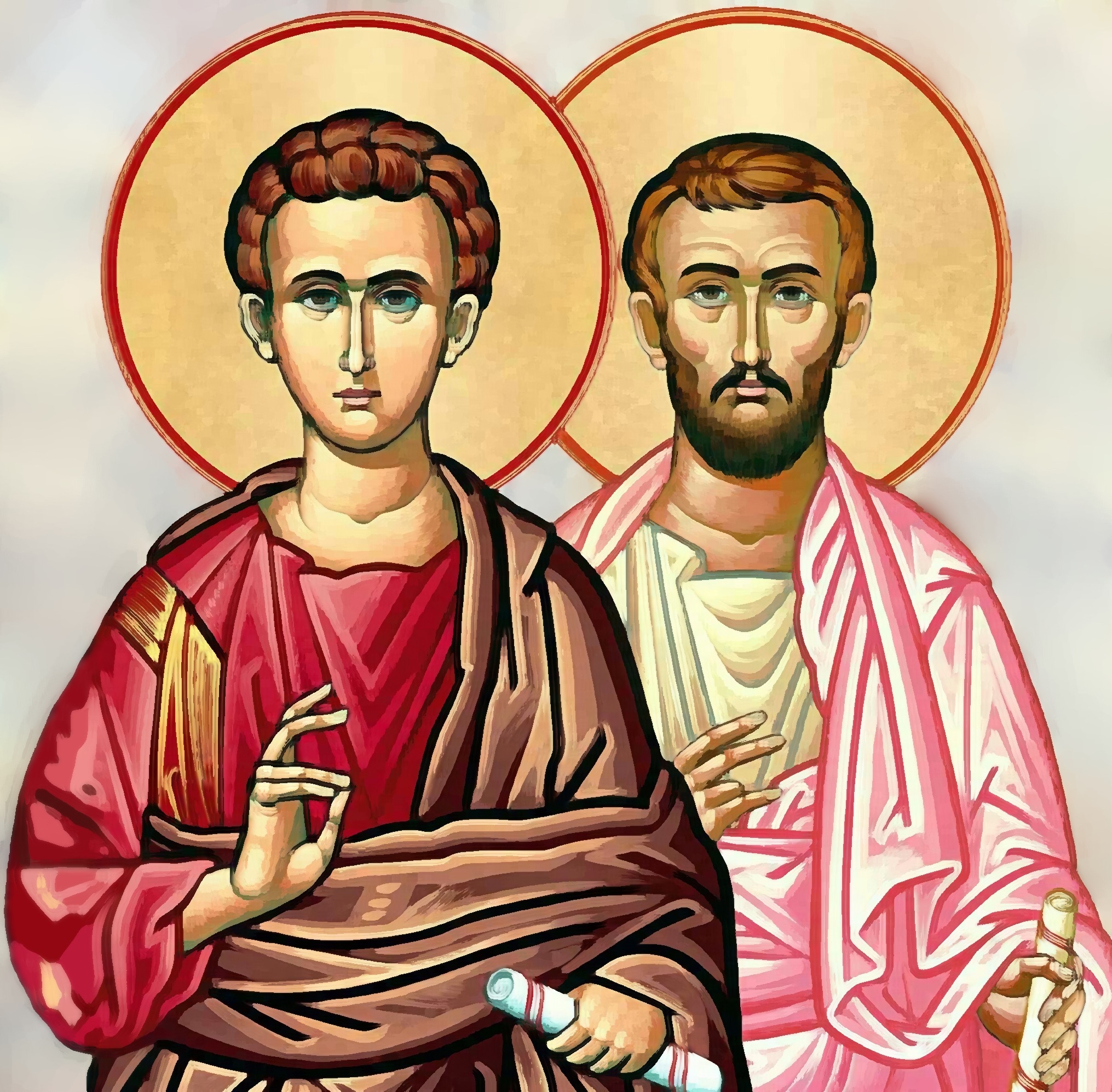
For I handed on to you as of first importance what I also received: that Christ died for our sins in accordance with the Scriptures; that he was buried; that he was raised on the third day in accordance with the Scriptures; that he appeared to Cephas, then to the Twelve. After that, he appeared to more than five hundred brothers and sisters at once, most of whom are still living, though some have fallen asleep. After that he appeared to James, then to all the Apostles. (1 Cor 15:1-8)
“Philip, whoever has seen me has seen the Father.” (Jn 14:6-14)
https://bible.usccb.org/bible/readings/050323.cfm
The testimony of the apostles and other witnesses is the foundation of our faith. As the psalm tells us: Their message goes out through all the earth. (Psalm 19).
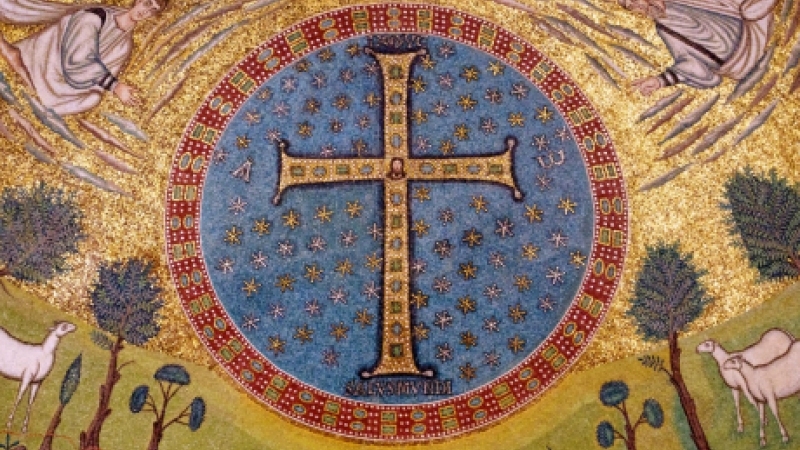
Christ Jesus, humbled himself, becoming obedient to death, even death on a cross. Because of this, God greatly exalted him and bestowed on him the name that is above every name, that at the name of Jesus every knee should bend, of those in heaven and on earth and under the earth, and every tongue confess that Jesus Christ is Lord, to the glory of God the Father. (Phil 2:6-11)
https://bible.usccb.org/bible/readings/091423.cfm
While in the USA the feast of the Holy Cross is celebrated on September 14th, in Latin America the Exaltation of the Holy Cross is kept on this day. The Apostles Philip and James are bumped to tomorrow, May 4. The Cross is the Exaltation, the Glorification of Jesus. In Colombia we have the tradition of the Mil Jesuses (Praying the Name of Jesus a thousand times) on this feast day. Here is a link to an explanation of the custom by the auxiliary bishop of Medellín: https://youtu.be/9aBiMhD_9VM.
Then Barnabas went to Tarsus to look for Saul, and when he had found him he brought him to Antioch. For a whole year they met with the Church and taught a large number of people,
and it was in Antioch that the disciples were first called Christians. (Acts 11:10-26)
https://bible.usccb.org/bible/readings/050223.cfm
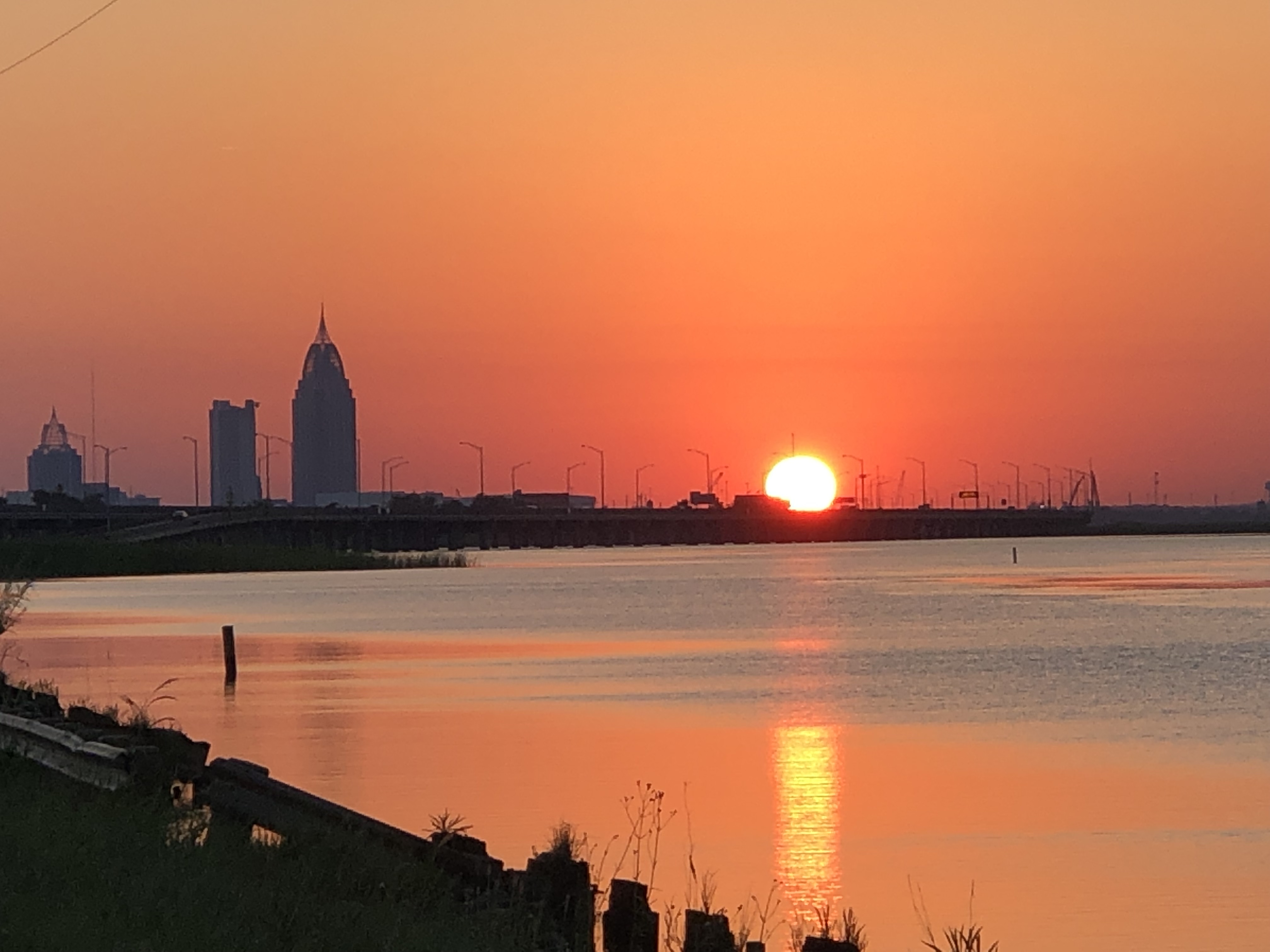
It is Barnabas who goes searching for Saul to invite him to work with the fledgling community at Antioch. Of course, Saul will become Paul the great Apostle to the Gentiles. Saint Athanasius of Alexandria (298-373) struggled, sometimes alone, against the Arian heresy throughout his life. He was a great defender of the Incarnation. According to the Cotton Patch Gospels (which translated the Good News into Southern idiom), today’s passage says that it was in Mobile (my home town) that the disciples were first called Christians.
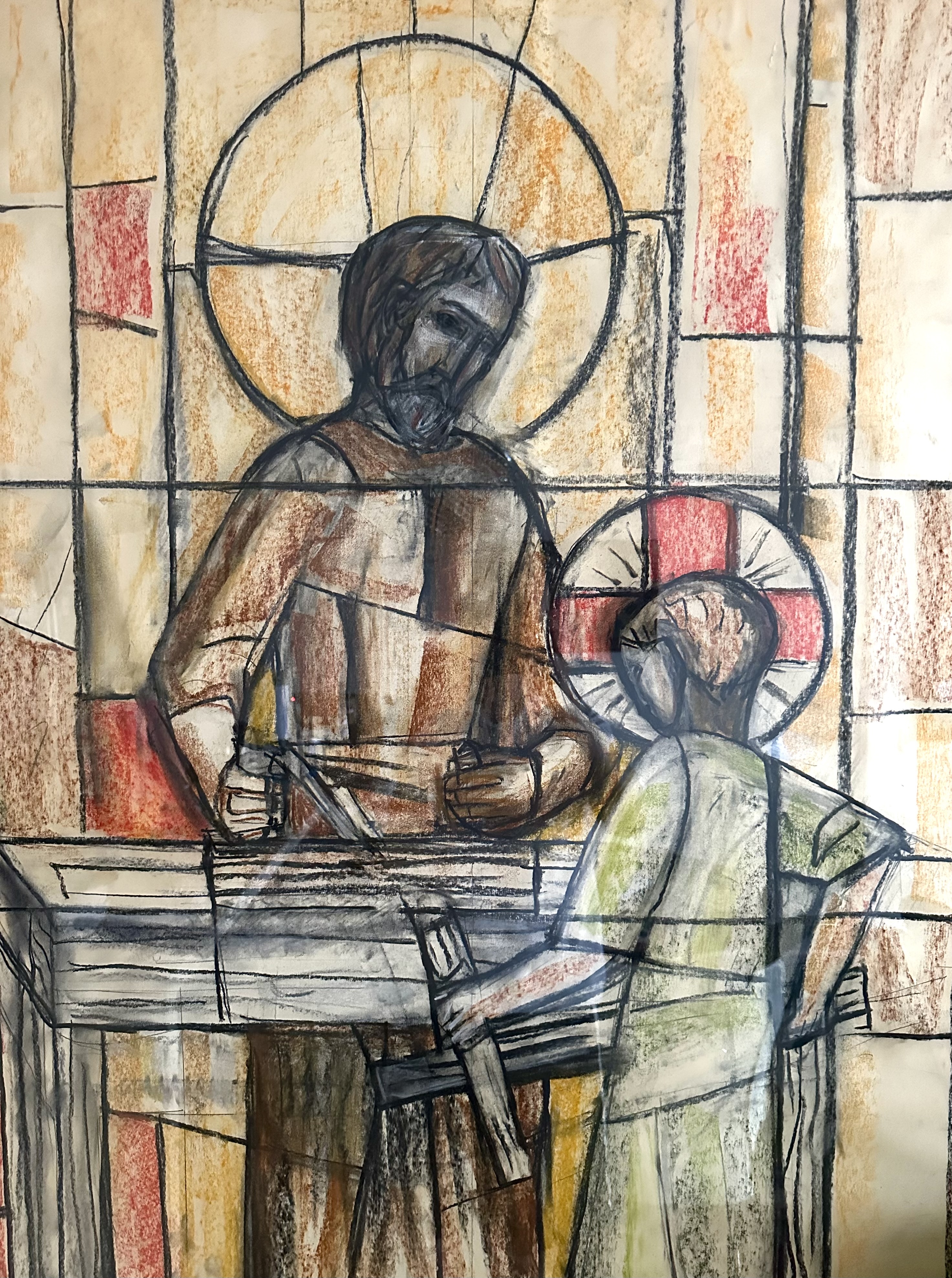
Jesus said: “I am the good shepherd. A good shepherd lays down his life for the sheep.” (Jn 10:11-18)
https://bible.usccb.org/bible/readings/050123.cfm
The image of the Good Shepherd continues today in the gospel reading as we celebrate the Resurrection of the Lord and are thankful for all those who have shepherded us. In more than 160 countries, today, May 1st, is International Workers’ Day (Labor Day). As Jesus was known as the son of the carpenter (Mt 13:55), we honor all those who work to build a world of justice where all people can sit at the table of the human family. Happy Labor Day!
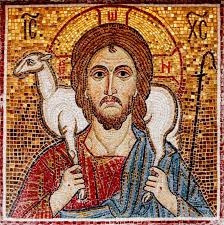
The shepherd calls his own sheep by name and leads them out. When he has driven out all his own, he walks ahead of them, and the sheep follow him, because they recognize his voice. (Jn 10:1-10)
https://bible.usccb.org/bible/readings/043023.cfm
Today is the World Day of Prayer for Vocations. The focus is not just for vocations to ordained ministry and religious life, but rather for ALL vocations—for the Lord calls each one of us by name. And the Lord uses each one of us to shepherd the flock so that all “might have life and have it more abundantly."
